1 oz 2022 Gibraltar Castle Platinum Coin | PAMP Suisse
Related products
Secure your 1 oz 2022 Gibraltar Castle Platinum Coin | PAMP Suisse and grow your wealth today!
COIN HIGHLIGHTS
- Ships individually in protective packaging
- Consisting of 1 oz 9995 Fine Platinum
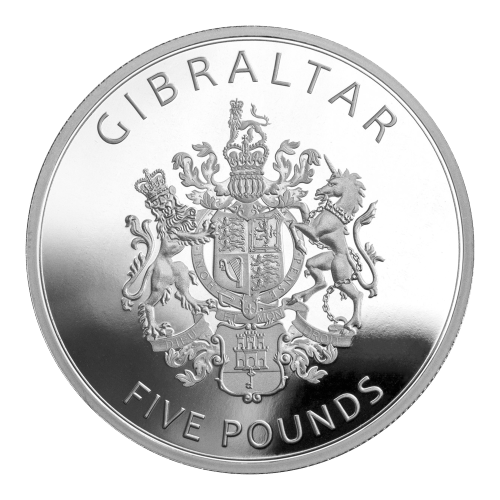
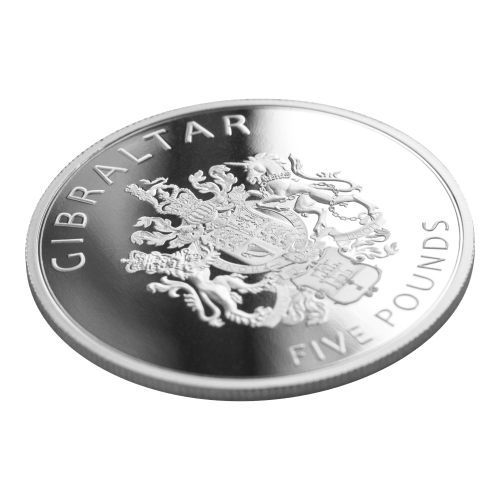
- Obverse: Features the official Coat of Arms of the Government of Gibraltar along with the legal tender value and inscription "GIBRALTAR"
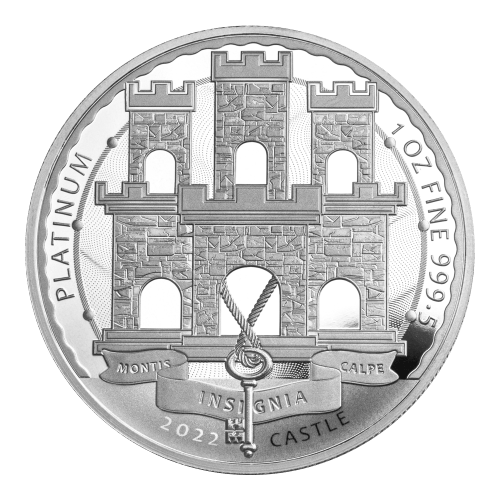
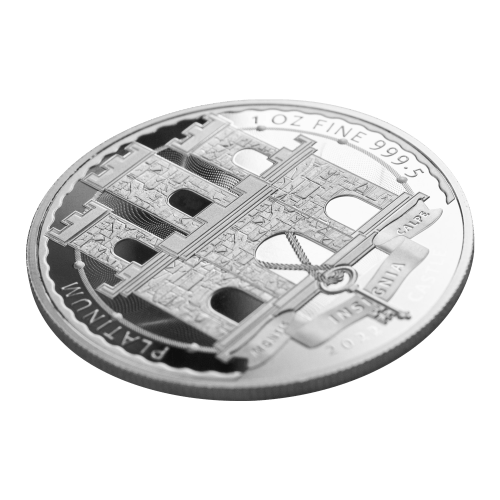
- Reverse: Features a depiction of the 11th century Moorish Castle with a key hanging from a rope, the inscriptions "MONTIS INSIGNIA CALPE," and "CASTLE" along with the year of issue, metal weight, and purity
Construction of the Moorish Castle began in 711 in Gibraltar on the southern tip of the Iberian Peninsula. Gibraltar is a British Overseas Territory that was first settled by the Moors, later controlled by the Castilians and the Habsburgs until it was ceded to the British in 1713.
ABOUT PAMP SUISSE
PAMP, Produits Artistiques Metaux Precieux, is one of the world's leading precious metals refiners based in Ticino, Switzerland. Since 1977 PAMP has been creating some of the highest quality gold, silver, and platinum bullion bars, coins, blanks, and much more. PAMP holds many certifications including Good Delivery from LBMA and LPPM. It was the first mint to decorate the reverse of small bars, which became a popular industry practice afterwards.
